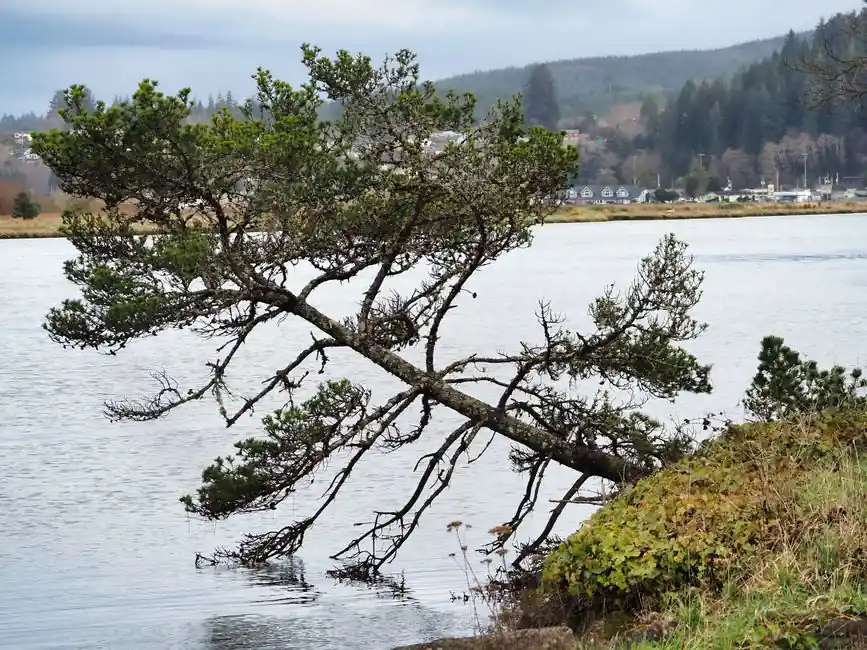
Seeing a tree leaning dangerously in your yard can be alarming. This phenomenon often indicates underlying problems that could pose serious risks to your property and safety. In this article, we'll explore the reasons why trees lean, how to identify if your tree is in danger, and what steps to take to mitigate potential hazards.
Understanding Tree Leaning
Trees can lean for a variety of reasons, some of which may not be immediately apparent. Understanding the mechanics of tree growth is essential. Trees are designed to grow upright, but several factors can disrupt this natural growth pattern.
Common Causes of Leaning Trees
Several factors can contribute to a tree leaning dangerously:
- Soil Erosion: Soil erosion can undermine the roots of a tree, causing it to lean. This is particularly common in areas with heavy rainfall or poor drainage.
- Root Damage: Damage to a tree's root system, whether from construction, pests, or disease, can lead to instability.
- Wind Damage: Strong winds can uproot trees or cause them to lean. This is especially true for trees that are already weakened.
- Uneven Growth: Trees may lean due to uneven growth patterns caused by light exposure or competition with other trees.
- Insect Infestation: Pests can weaken a tree's structure, making it more susceptible to leaning.
Signs of a Dangerous Lean
Identifying the signs that your leaning tree is a danger to your property is crucial. Look for the following indicators:
- Cracks in the Soil: If you notice cracks forming in the soil around the base of the tree, this could indicate root instability.
- Exposed Roots: Roots that are visible above ground may signal that the tree is losing its grip on the soil.
- Leaning Beyond 15 Degrees: A tree that leans more than 15 degrees from vertical is at a higher risk of falling.
- Dead or Dying Branches: Branches that are dead or have fallen off can indicate a tree that is unhealthy and potentially dangerous.
- Fungal Growth: The presence of mushrooms or other fungi at the base of the tree can signify rot and decay.
What to Do If Your Tree is Leaning
If you discover that your tree is leaning dangerously, take these steps:
- Assess the Situation: Determine how severe the lean is and whether there are visible signs of damage.
- Consider the Environment: Look at nearby structures, power lines, and other trees that could be affected if the tree falls.
- Contact a Professional: If you're unsure about the stability of the tree, it's best to consult a licensed tree service. At Stanton Tree Service & Emergency Tree Removal, we specialize in evaluating and addressing tree hazards.
- Implement Preventive Measures: If the tree is salvageable, consider options like bracing or cabling to support it.
Common Mistakes to Avoid
When dealing with a leaning tree, avoid these common pitfalls:
- Ignoring the Problem: Delaying action can lead to more severe issues, including property damage or personal injury.
- DIY Removal: Attempting to remove a leaning tree without professional help can be dangerous. Always hire experts for tree removal.
- Overlooking Signs of Disease: Failing to recognize signs of tree disease can lead to unexpected failures.
- Neglecting Surrounding Trees: If one tree is leaning, others nearby may also be at risk. Assess your entire landscape.
When to Call a Professional
If you suspect that your tree poses a danger, it's crucial to seek help from a professional. At Stanton Tree Service & Emergency Tree Removal, we can provide a thorough assessment and recommend the best course of action. Whether it's a simple bracing or complete removal, our team is equipped to handle the job safely.
Frequently Asked Questions
Here are some common questions regarding leaning trees:
- What causes a tree to lean?
Several factors can cause a tree to lean, including soil erosion, root damage, and wind stress. Identifying the cause is essential for determining the best response. - How can I tell if my tree is dangerous?
Look for signs such as cracks in the soil, exposed roots, or a lean greater than 15 degrees. Dead branches and fungal growth are also warning signs. - Can a leaning tree be saved?
In some cases, leaning trees can be stabilized with cabling or bracing. However, if the damage is severe, removal may be necessary. - How much does tree removal cost?
The cost of tree removal varies based on the tree's size and location. On average, homeowners in Stanton can expect to pay On Request. - What should I do if my tree falls?
If your tree falls, ensure everyone's safety first, then contact a professional for emergency fallen tree removal.
Get help with Emergency Tree Service with Tree & Stump Removal in Stanton
If you're facing a leaning tree situation, don't hesitate to reach out. Our experienced team is ready to assist you with any tree-related emergencies. Contact us at (616) 280-5706 for prompt and professional service.