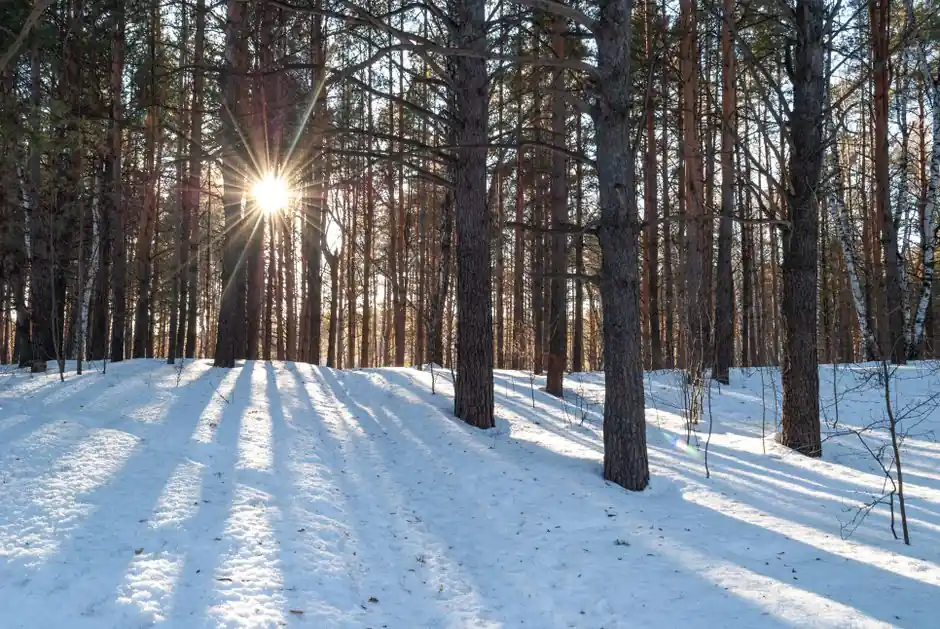
As winter approaches in Stanton, it's crucial to prepare your trees for the cold months ahead. Proper winter preparation can help ensure the health and longevity of your trees. This guide will cover essential steps you can take to prepare your trees for winter, including assessing their health, pruning techniques, and protective measures against pests.
Understanding winter tree preparation
Winter can be harsh on trees, especially in areas like Stanton, where temperatures can drop significantly. Understanding how trees react to cold weather is vital. During winter, trees enter a dormant phase, which is akin to hibernation. This period allows them to conserve energy and survive the cold.
However, even in dormancy, trees can be susceptible to various issues, including frost damage and pest infestations. Preparing your trees properly can mitigate these risks and promote healthy growth come spring.
Assessing tree health
Before you begin any winter preparation, assess the health of your trees. Look for signs of disease or damage, such as:
- Discolored leaves or bark
- Visible signs of pests
- Dead branches or limbs
If you notice any of these signs, consider contacting a tree health assessment professional to evaluate the condition of your trees. Early intervention can prevent more serious issues later.
Pruning and trimming
Pruning is a critical step in preparing your trees for winter. Removing dead or diseased branches helps improve airflow and reduces the risk of pests and diseases. Here are some tips for effective pruning:
- Use clean, sharp tools to make clean cuts.
- Remove branches that cross or rub against each other.
- Focus on the tree's structure by maintaining a balanced shape.
For large trees, consider hiring a licensed tree service contractor for large tree removal to ensure safety and proper technique.
Mulching and watering
Mulching around the base of your trees provides insulation and helps retain moisture in the soil. Apply a layer of mulch about 2-4 inches thick, ensuring it doesn't touch the tree trunk. This practice prevents moisture loss and protects roots from freezing temperatures.
Additionally, water your trees thoroughly before the ground freezes. This ensures that they have enough moisture stored to survive the winter. Aim to water until the soil is saturated but not soggy.
Protecting against pests and diseases
Winter can bring out pests that seek shelter in trees. To protect your trees, consider wrapping the trunks with tree guards. This can prevent damage from rodents and other pests looking for a place to hide.
Additionally, inspect your trees regularly for signs of pests or diseases throughout the winter. If you notice any issues, contact a licensed tree service contractor for diseased tree removal to manage the problem effectively.
Common mistakes to avoid
When preparing your trees for winter, avoid these common mistakes:
- Pruning too late in the season can cause stress to the tree.
- Over-mulching, which can suffocate roots.
- Ignoring signs of disease or damage until spring.
By being aware of these pitfalls, you can ensure your trees remain healthy during the winter months.
When to call a professional
If you feel overwhelmed by the tasks involved in preparing your trees for winter, don't hesitate to reach out for help. Professional services like 24/7 Emergency Tree Removal Stanton can assist you with assessments, pruning, and any necessary removals. It's better to get help early than to deal with the consequences of neglect.
Frequently asked questions
How often should I prune my trees?
Most trees benefit from pruning every 3-5 years, but some may require more frequent attention based on their growth rate and health.
What is the best time to mulch trees?
The best time to apply mulch is in late fall, just before the ground freezes, to provide insulation throughout the winter.
Can I water my trees in winter?
Yes, watering is essential before the ground freezes, especially during dry spells in winter.
How can I tell if my tree is diseased?
Look for discolored leaves, unusual growths, or dead branches. If you suspect a disease, consult a professional for a proper assessment.
What should I do if a tree falls during winter?
If a tree falls, contact a licensed tree service contractor for fallen tree removal to ensure safety and proper cleanup.