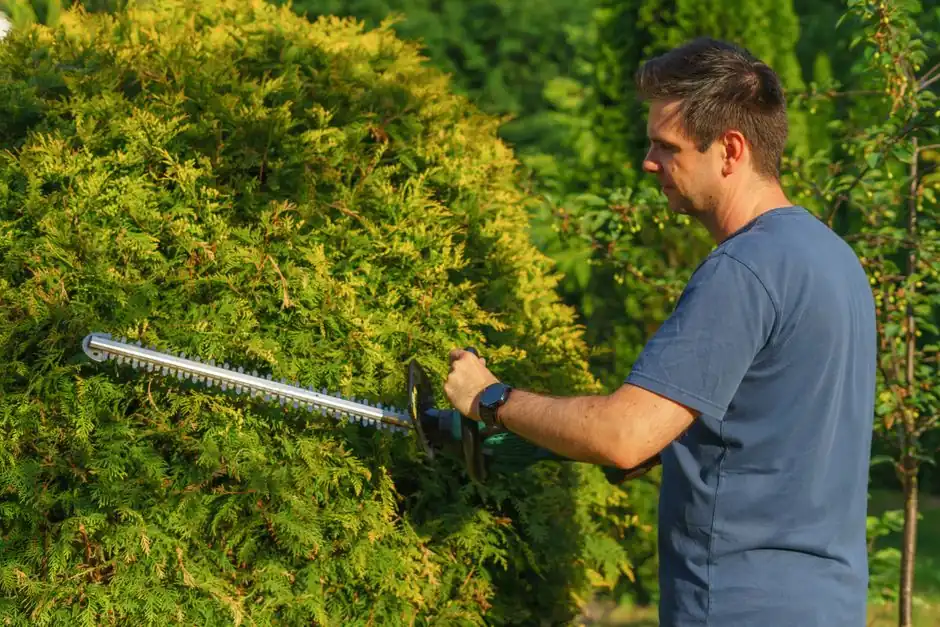
Tree trimming and pruning are essential practices for maintaining the health and aesthetics of your landscape. Properly executed, these techniques can promote growth, improve tree structure, and enhance your property's appearance. In this guide, we will explore best practices for tree trimming and pruning specifically tailored for residents of Stanton, Michigan.
Understanding the differences between trimming and pruning is crucial. While trimming focuses on maintaining the shape and size of trees, pruning involves the removal of specific branches to improve tree health and encourage growth. This article will delve into the best practices for both techniques, ensuring your trees thrive.
Understanding Tree Trimming and Pruning
Tree trimming is primarily concerned with the aesthetic aspect of trees. It involves cutting back overgrown branches to maintain the desired shape and size. On the other hand, pruning is a more technical process aimed at removing dead or diseased branches, which helps improve the overall health of the tree. Understanding these differences will guide you in making informed decisions about your tree care.
When to Trim and Prune Trees
Timing is critical when it comes to tree trimming and pruning. The best time to trim most trees is during late winter or early spring before new growth begins. This timing helps minimize stress on the tree and allows for quick healing. However, some trees, like maples, should be pruned in late summer to avoid sap loss.
- Late Winter/Early Spring: Ideal for most species.
- Summer: Best for maples and other specific species.
- Fall: Avoid pruning as trees prepare for dormancy.
Essential Tools for Tree Trimming and Pruning
Using the right tools is essential for effective tree trimming and pruning. Here are some must-have tools:
- Hand Pruners: Ideal for small branches.
- Loppers: Suitable for thicker branches.
- Saws: Necessary for larger limbs.
- Safety Gear: Gloves and goggles to protect yourself.
Having the proper tools ensures clean cuts, which promote faster healing and reduce the risk of disease.
Techniques for Effective Tree Trimming
When trimming or pruning, it's essential to follow proper techniques to avoid damaging your trees:
- Make Clean Cuts: Use sharp tools to ensure smooth cuts.
- Cut at the Right Angle: This helps prevent water accumulation on the cut surface.
- Remove Dead or Diseased Branches: This improves the overall health of the tree.
- Avoid Topping: This can lead to weak growth and increased susceptibility to disease.
By following these techniques, you can ensure that your trees remain healthy and vibrant.
Common Mistakes to Avoid
Even experienced homeowners can make mistakes when it comes to tree trimming and pruning. Here are some common pitfalls to avoid:
- Ignoring Tree Species: Different trees have different needs.
- Over-Pruning: This can stress the tree and hinder growth.
- Improper Timing: Pruning at the wrong time can be detrimental.
Being aware of these mistakes can save you time and effort while ensuring the health of your trees.
When to Call a Professional
While many homeowners can manage basic tree trimming and pruning, there are situations where it's best to call a professional. If you're dealing with large trees, hazardous branches, or lack the proper tools, it's wise to hire a licensed tree service contractor. Stanton Tree Service & Emergency Tree Removal offers expert services tailored to your needs, ensuring your trees are well cared for.
Frequently Asked Questions
What is the difference between tree trimming and pruning?
Tree trimming focuses on the aesthetic shaping of the tree, while pruning is aimed at removing dead or diseased branches to enhance the tree's health.
When is the best time to trim trees in Stanton?
Late winter or early spring is generally the best time to trim most trees in Stanton, as it helps minimize stress and promotes healthy growth.
Can I trim my trees myself?
Yes, homeowners can trim smaller trees, but it's important to use the right techniques and tools. For larger or hazardous trees, consider hiring a professional.
What tools do I need for tree trimming?
Essential tools include hand pruners, loppers, saws, and safety gear like gloves and goggles to protect yourself during the process.
How often should I prune my trees?
Most trees benefit from pruning every few years, but specific species may require more frequent attention. Regular assessments can help determine the best schedule.
Get help with Emergency Tree Service with Tree & Stump Removal in Stanton
If you need assistance with tree trimming and pruning, reach out to our team at Stanton Tree Service & Emergency Tree Removal. We provide expert services to ensure your trees remain healthy and beautiful.
Call us today at (616) 280-5706 for more information.